
Field Notes · July 5, 2026 · 5 min · By Zachariah Pohl
How to sleep with a sunburn
Burns feel worst at night. A cooler room, smarter positioning, and a short pre-bed routine make the difference.
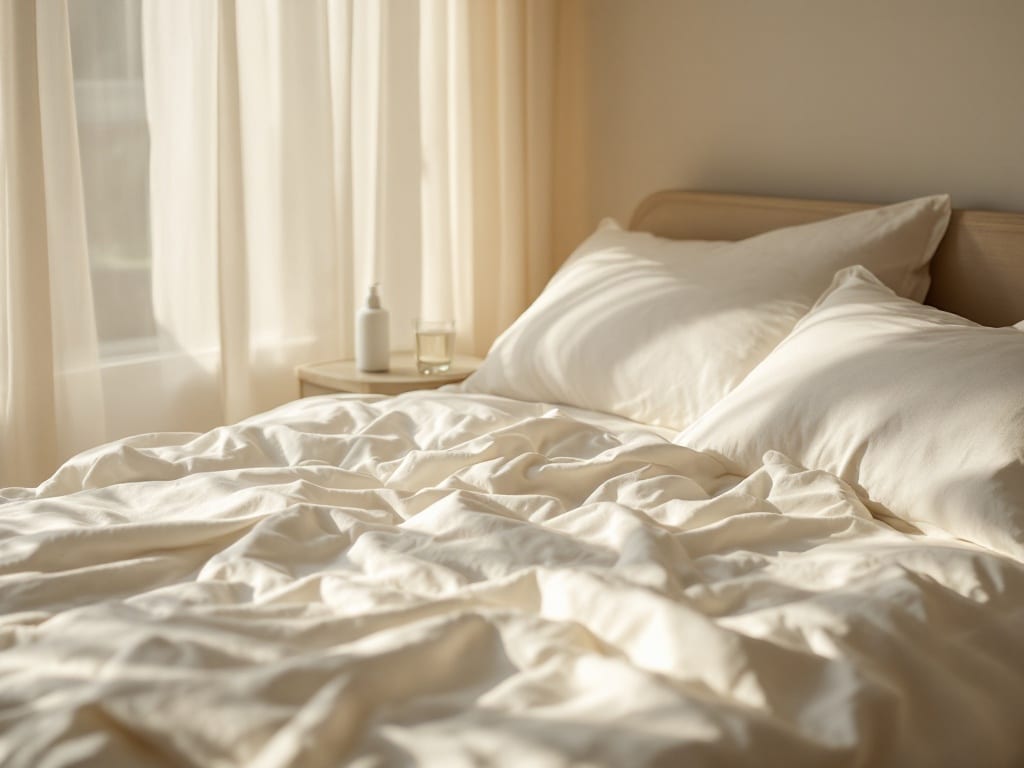
Ask anyone nursing a fresh sunburn what the hardest part was and the answer is rarely the afternoon it happened. It is the first night, when every position seems to press on the burn, the sheets feel like sandpaper, and the heat radiating off your own skin keeps you awake. There are real reasons a burn peaks after dark, and a short list of practical steps that make the night survivable.
The timing is not your imagination. The inflammation from a sunburn typically builds for roughly 24 hours after exposure, so a burn earned at noon is often reaching its most inflamed, most tender state right around bedtime. At night there is also nothing to distract you from it, and the warmth of a bedroom, bedding, and your own body heat all amplify the sensation of burning skin. Understanding that the discomfort is cresting, not worsening indefinitely, helps; the repair sequence it belongs to is laid out in how your skin heals after a sunburn.
A deliberate pre-bed routine takes the edge off. An hour or so before sleep, take a cool or lukewarm shower, brief and without harsh soap, then pat the skin mostly dry and apply a plain, fragrance-free moisturizer or aloe while it is still damp. Time an over-the-counter anti-inflammatory like ibuprofen so it is working as you lie down, and drink water steadily through the evening, since burns pull fluid toward the skin and dehydration worsens both the burn and your sleep. These are the same fundamentals from the first 24 hours of a sunburn, just scheduled around bedtime. The American Academy of Dermatology's sunburn-care guidance follows the same logic of cooling, moisture, and patience, and is worth a read at aad.org.
Then set up the room to work with you. Cooler is better: lower the thermostat if you can, run a fan so air moves across the skin, and choose breathable cotton sheets over anything synthetic or heavy. Wear loose, soft clothing over the burn or nothing on it at all, and skip the weighted blanket for a few nights. Position is the last piece of the puzzle. Sleep so the burned area carries as little contact and pressure as possible: burned back or shoulders favor side or stomach sleeping, burned legs appreciate a pillow that lifts them slightly, and a burned face does best sleeping on your back with an extra pillow under your head, which also eases swelling.
A few things make the night worse and are worth naming. Do not put ice or ice packs directly on burned skin, which can deepen the injury; cool compresses are the right speed. Skip heavy occlusive products like petroleum jelly on a fresh burn, which trap heat, and avoid the tempting nightcap, because alcohol dehydrates you further and fragments exactly the sleep you are trying to protect. If blisters have formed, leave them intact and cover them loosely with a non-stick dressing so the sheets cannot rub them open, as covered in how to treat sunburn blisters safely.
Finally, know the difference between a miserable night and a warning sign. Discomfort, heat, and restlessness are normal with a significant burn. Fever and chills, nausea, dizziness, a headache that builds, or feeling genuinely ill are not; they suggest the burn has crossed into the territory described in when a sunburn becomes a medical issue, and they warrant attention rather than endurance. For an ordinary burn, expect the second night to be noticeably easier than the first, and let that first rough night be the reminder that the cheapest sleep aid of all is the sunscreen that prevents the burn entirely.
Related reading: What to do in the first 24 hours of a sunburn and What to eat and drink while a sunburn heals.